Guest Commentator: Eric Kmiec, Ph.D., Director, Gene Editing Institute of the Helen F. Graham Cancer Center & Research Institute, ChristianaCare @christianacare @GeneEditingDE
How can we ensure that the next generation of medical technologies is developed equitably to serve all people?
Those of us who work in medical research—seeking new cures, treatments, and medical tests—sit in awe at the speed with which the global research community responds to COVID-19. However, one of the most important questions that has emerged at this moment is how we will ensure that all people—not just the wealthy, white, or privileged—will have access to these breakthroughs.
I hope this moment has brought into permanent focus this critical ethical challenge in medical research.
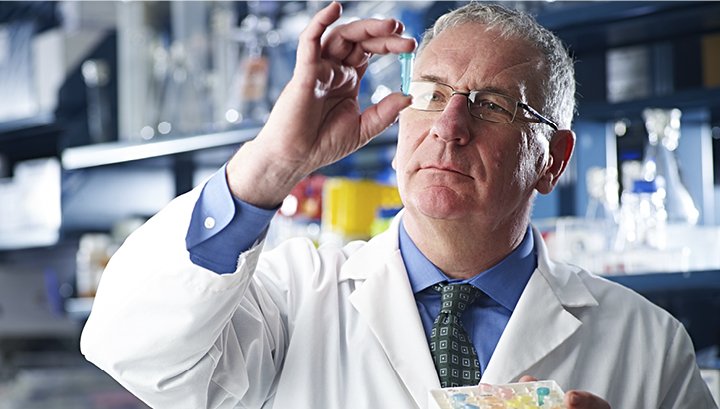
My lab works with CRISPR, the genetic scissors that allows scientists to edit the instruction manual of life, DNA. Our dream is to find new treatments and cures for cancers, but this tool has the potential to change medicine across the board.
However, ensuring equitable access to these new tools requires more than putting our heads down and doing good science. There are obstacles to ensuring our work benefits women, people of color, and other groups of people, who have too often been left behind or shut out of science.
For too long, research was done in a way that ensured that new drugs would work for white men, like myself, and left others out. Clinical trials, which ensure that treatments are both safe and effective for patients, include men that are predominantly of European descent, ignoring genetic differences around the world. Additionally, there is a tragic and long history of medical research exploiting, abusing, and neglecting people of color, including the infamous Tuskegee experiments, in which scientists observed the effects of untreated syphilis in young Black men.
The result is a well-documented distrust of the medical community and a hesitancy to use new medical interventions among different populations. Look no further than the fact that far fewer Black Americans report that they would use a first generation COVID-19 vaccine compared to white people living in this country.
We need to commit to making the biomedical research community more diverse. There are many steps to be taken to make medical research more inclusive, and it’s a medical imperative for all.
Likewise, we need to build trust in the medical community among all people. That means we need to engage people of color and others who face health inequities early in the research process to better identify what barriers to good health they face and foster participation—on their terms—in the biomedical research enterprise. The more people trust and understand the process, the more they’ll trust and use the results.
The future of medicine—any vision of personalized medicine or simply the most effective new tools and treatments—requires us to do better today. It’s not just a moral imperative, it’s a scientific one.
Through Recharge & Recover PHL, the Chamber is working with our members to promote the region as a hub for cell and gene therapy, in addition to the long-term aspiration of making Greater Philadelphia the healthiest and most livable community in the Northeast.
These objectives are part of five aspirations of Recharge & Recover PHL with the aim to support not only Greater Philadelphia’s recovery but to also provide a means to differentiate our region for decades to come.
Upcoming Event
[Virtual] Annual Meeting 2020: Inclusive Growth
Thursday, October 29, 2020 | 2:00 – 3:00 p.m. | Free and open to the public
At this year’s Annual Meeting, we will rally around the shared aspirations of the Chamber-led Recharge & Recover PHL initiative, which aims to strengthen our region for a prosperous and equitable future.
Hear from regional and national leaders who are blazing paths for Black and brown businesses and employees, understand how you can support inclusive recovery in Greater Philadelphia, and be inspired to lead change in your own organization.