This year, in recognition of National Disability Employment Awareness Month, the Chamber is lifting up the our member company, Community Integrated Services (CIS), and its commitment to building a more inclusive workforce and creating employment opportunities for those with mental and physical differences.
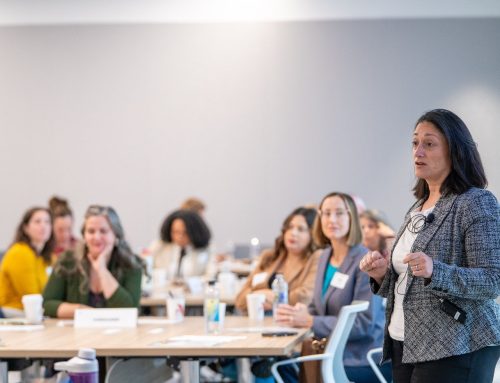
We are thrilled to have, Erin Phovilaychit, CESP, CBSC, Director of Business Development, Community Integrated Services, share thought leadership around how important it is for our business community to be disability-inclusive, the role of cross-sector partnership in building an inclusive workforce, and how organizations and businesses can break barriers and make space for leaders with physical differences and/or who are neurodivergent to lead, thrive, and grow in the workplace.
Why is it important for our business community to be disability-inclusive and ensure that the disabled community is represented and afforded equal opportunity for employment and leadership?

Hiring a diverse workforce, including employees with disabilities, provides a tangible return on investment for employers. Companies with well-run inclusive practices experience up to 30% reduction in turnover. Businesses are eligible for tax breaks and incentives. Employers can access a tremendous pool of untapped talent. People with disabilities are wildly un/underemployed.
People with disabilities are increasing in numbers in the American workforce and are starting to demonstrate the benefits of greater inclusion.
Businesses can experience lower turnover and reduced recruiting costs. Individuals with disabilities are creative problem solvers who bring a fresh perspective to business. With 1 in 4 Americans identifying as having a disability at some point in their lives, inclusive hiring is not only a matter of equity—it’s a reflection of the broader community. Embracing disability inclusion is a powerful way to build a stronger, more resilient, and more innovative workforce.
What role do partnerships with public agencies, businesses, schools, universities, and community organizations play in creating a truly inclusive & equitable workforce?
Partnerships with public agencies, businesses, schools, universities, and community organizations are essential to building an inclusive workforce. Each partner plays a role in creating pathways to employment, fostering inclusive cultures, and sustaining long-term success.
1. Public Agencies
- Policy & Incentives: Provide funding, tax credits, and regulatory frameworks that encourage inclusive hiring.
- Support Services: Offer vocational rehabilitation, job coaching, and accommodations support.
- Data & Accountability: Track employment outcomes and help enforce anti-discrimination laws.
2. Businesses
- Inclusive Hiring: Commit to equitable recruitment, retention, and advancement practices.
- Workplace Culture: Foster environments where all employees, including those with disabilities, feel valued and supported.
- Mentorship & Leadership: Serve as role models and champions for disability inclusion in the private sector.
3. Schools & Universities
- Early Exposure: Integrate inclusive education and career readiness programs for students with disabilities.
- Transition Services: Help bridge the gap from school to work through internships, apprenticeships, and job placement.
- Research & Innovation: Advance inclusive practices through academic research and training.
4. Community Organizations
- Advocacy & Outreach: Raise awareness and reduce stigma around disability in the workplace.
- Wraparound Support: Provide services like transportation, housing, and mental health support that impact employment success.
- Cultural Competency: Ensure inclusion efforts are intersectional and reflect the diversity of the disability community.
What are some of the barriers and biases that our business community must break down to make the path to sustainable careers more accessible to workers with disabilities?
The business community must be open to focusing on talent and not disability. Looking at more inclusive language in job postings as well as thinking about ways around the “traditional” interview process will allow employers to capture more diverse talent who can truly add value and will do the job well. Accommodations can yield more functional, productive workplaces for all. Most accommodations are of little-to-no cost for employers. To create a truly inclusive and equitable workforce, the business community must challenge long-standing biases and systemic barriers that hinder access to sustainable careers for people with disabilities.
One of the most critical shifts is moving from a deficit-based mindset—focusing on what individuals can’t do—to a strengths-based approach that recognizes talent, skills, and potential. Employers must prioritize ability over disability, evaluating candidates based on their qualifications and the value they bring to the organization.
Inclusive language in job postings and flexible hiring practices—such as alternatives to traditional interviews—can open doors to a broader and more diverse talent pool. Many individuals with disabilities may not thrive in conventional interview settings, yet they possess the skills and creativity to excel in the role.
Workplace accommodations, often perceived as costly or burdensome, are typically low-cost or no-cost and can benefit all employees by creating more accessible, functional, and productive environments.
How can organizations and businesses create space for leaders with physical differences and/or who are neurodivergent to lead, thrive, and grow?
To build an inclusive leadership pipeline, organizations must intentionally create environments where individuals with physical differences and neurodivergent identities can lead, thrive, and grow. This means moving beyond representation and into empowerment. Organizations should value visible opportunities that show diverse leadership such as panels etc… Visibility matters.
Businesses should create multiple pathways towards leadership. Organizations should offer flexible, individualized development tracks that recognize diverse strengths and leadership styles. Openness to reasonable accommodations such as assistive technology or workspace design is key. Businesses should have spaces that utilize universal design.
Affinity groups around disability/neurodivergence with a leader who champions it should be created and promoted.
By embedding these practices into the organizational culture, businesses can tap into the potential of leaders who bring unique perspectives, resilience, and innovation to the various roles.
A Message from Erin:
Disability Inclusion in the workforce not only makes good business sense, but good community sense. One in Four individuals will identify with having had a disability at some point in their life, or currently having a disability. This is an opportunity for businesses to mirror the community they serve, as well as supporting current employees who may not have been comfortable self-identifying. Inclusion builds stronger teams, deeper trust, and more resilient organizations. It’s not just about compliance—it’s about connection, representation, and long-term success.
Upcoming Event:
The Value of ‘Belonging’ in the Workplace and Beyond
Explore how ‘belonging’ is a powerful business strategy.
Wednesday, October 22, 2025 | 10:00 AM – 11:00 AM | Virtual Event | Free for Chamber Members
The Chamber positions diversity, equity, and inclusion as critical for business maturation and growth. Our Diversity, Equity, and Inclusion (DEI) initiative drives economic competitiveness, highlights diverse employee populations, and promotes inclusive growth throughout the Greater Philadelphia region.