
Over the last year, the COVID-19 pandemic has challenged communities and populations around the world. While nearly everyone has faced some adverse effects due to the pandemic, communities of color have endured many of the worst consequences, including high mortality rates from the virus and undue stigma. When coupled with witnessing multiple instances of racial injustice and violence, Black, brown, and Asian people in particular are experiencing increased stress and worry in their communities, and these feelings don’t disappear in the workplace.
That’s why, now more than ever, building awareness and identifying opportunities and resources to support mental health and wellbeing for Black, brown, and Asian professionals plays such a critical role in creating a culture of community and support at work — not to mention these efforts also improve job performance and motivation, communication, and engagement on the job.

By now, many of us know that the Asian American community has experienced increased harassment due to misconceptions about the pandemic, with spikes in violence seen across the country during the past year. Our region has not been immune to these upticks. According to a recent study, Pennsylvania and New Jersey both fall within the top 10 states with the highest numbers of reported hate crimes against the Asian American and Pacific Islander community since March of last year.
Likewise, the Black community has grappled with similar fears of social injustice after numerous instances of police brutality followed by anxiety and angst leading up to the trial of Derek Chauvin for the murder of George Floyd just last month.
For those belonging to these communities, feeling the pressure to mentally show up for work with a “business as usual” attitude can be difficult and emotionally taxing. The continual reminders of the current state of world, from nonstop news feeds to daily microaggressions, make it difficult for many Black, brown, and Asian professionals to leave their worries and discomfort at the door. That’s why it’s so vital for employers, including executive leadership and managers, to not only generate awareness of the importance of mental health, but to also identify resources to help alleviate stress.
Training leadership on trauma-informed practices can trickle down through education and community-building to create a safer work environment for those struggling.

A number of employers are rethinking the way they train their managers, focusing specifically on trauma-informed approaches and communication. Creating an environment where employees feel safe to open up begins with building a foundation of understanding related to the challenges many are facing. By encouraging managers to take the time, even if at the end of regularly scheduled check-ins, to let their team members know they can talk through emotional hardships in a confidential setting, employers can build an environment where employees feel supported, empowered, and safe.
There is also the opportunity for employers to educate employees on the importance of mental health. Staff retreats, typically focused on meaningful organizational issues and building connections between colleagues, serve as prime opportunities to embed mental health education and facilitate open dialogue on some of the issues employees have encountered over the past year. Employers can keep the conversation going by sharing internal and external resources, like connecting employees to local nonprofits dedicated to mental and emotional wellness for communities of color.
The push to improve mental health at work is at the forefront of employer discussions right now. Join the conversation with local leaders.

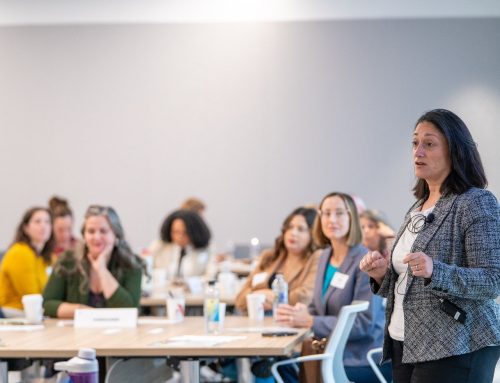
The Chamber is joining the conversation by holding a number of upcoming events shining a light on mental wellbeing. Later this month, we’ll convene leaders from AmerisourceBergen and Microsoft to share insight into how to build equitable total rewards programs, ensuring fair employee benefits that support emotional wellbeing taking into account the different needs of particular ethnic groups and more. Register for this May 26 workshop »
Next month, we’ll examine how supporting employee wellness goes beyond employee assistance programs, meditation apps, and nutrition counseling, and requires a concerted effort to build policies, procedures, and internal messaging that foster wellness after a year of isolation, trauma, and uncertainty for many. Join us on June 16 »
As the Chamber continues our longstanding commitment to the fight for equality, we’re highlighting ways our business community can meaningfully increase diversity, equity, and inclusion to bring about lasting change in the workplace.
Through our Diversity, Equity, and Inclusion (DEI) initiative, we work to drive economic competitiveness, highlight diverse employee populations, and promote inclusive growth throughout our region.