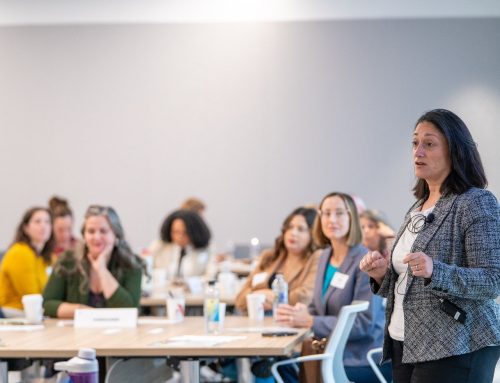

Guest Commentator: Jameel Rush, Vice President, Diversity, Equity, and Inclusion, The Philadelphia Inquirer @PhillyInquirer
How can local journalism have a meaningful impact on increasing equity in our communities?
For decades, local journalism has tasked itself with holding powerful institutions, individuals, and even governments accountable for their actions. For that reason, it has played a pivotal role in giving voice to underserved, marginalized, and underrepresented communities. From housing discrimination to funding crises, local media has traditionally positioned itself as a voice of “the people” and as a trusted advisor for the communities they represent. While those moments in history remain, like most institutions, local media and journalism has had to come to grips with the fact that it has not done enough to advance diversity, equity, and inclusion for the same communities it aims to serve.
This past summer provided an opportunity for journalism organizations around the country, especially predominantly white institutions, to reflect on how their coverage has missed the mark for Black and brown communities (not to mention LGBTQ+, individuals with disabilities, and more). For media and journalism, that reckoning has been even more important given the industry has often been a contributor to problematic and even damaging coverage of communities of color. In fact, here at The Philadelphia Inquirer, we recently deeply explored our coverage and culture in the hopes of establishing equity and inclusion as a centerpiece of each. While I deeply believe in the power journalism, especially local community-centered journalism, can have, there are a few steps necessary before the industry can truly be inclusive of the communities it aims to be the voice for.
Start with Self-Reflection – All employees pull from their life experiences to inform how they get work done and journalism/media is no different. To properly cover communities of color, people of color must be represented in your organization. Establishing representation targets and deeply reviewing your hiring practices for equity should be one of the first steps in establishing community-centered coverage and connection. Simultaneous with that work should be a deep dive into your culture to ensure managers are ready to build inclusive workspaces for all team members.
Find the Right Partners – Tapping into experts and finding partnerships is critical if you really want to make community impact around equity and inclusion. If you are committing to serving Black and brown communities, find organizations that are on the front lines of the work and look for ways your company can supplement and support.
Establish Accountability Measures – Understanding what impact you are looking to make and clearly articulating what success looks like will go a long way in ensuring those impacts are actually made. How many people are you looking to serve? What causes would you like to highlight? How will you be transparent about successes and opportunities? These are all questions that can help create success measures and establish accountability.
Through Recharge & Recover PHL, the Chamber is working with our members to make Greater Philadelphia a place known for investing in and growing small Black, brown, and locally owned businesses.
This objective is part of five aspirations of Recharge & Recover PHL with the aim to support not only Greater Philadelphia’s recovery but to also provide a means to differentiate our region for decades to come.